RICS Survey vs Online Valuation: Which Do You Need?
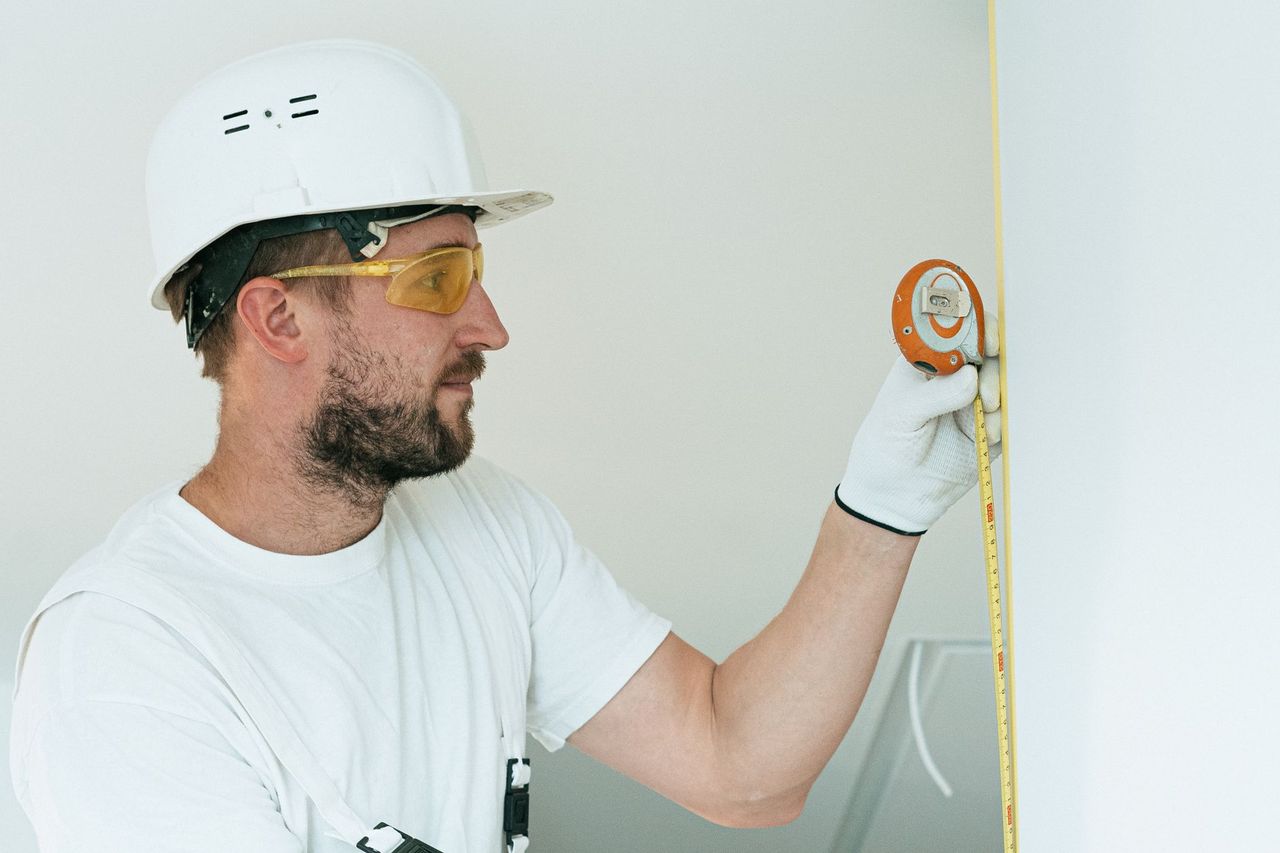
An online valuation and a RICS survey aren't competing products, they answer different questions, at different price points, at different points in a transaction. Using the wrong one at the wrong moment is the actual risk.
What a free online valuation is for
Tools like this one compare your property to recent sales of similar properties nearby and give you an estimate in seconds, for free, with no one visiting your home, see our guide on how these valuations work for the method behind the number. It's built entirely from statistical comparison, it has no idea whether your kitchen was refitted last year or whether there's a damp problem behind the wallpaper. Use it to sense-check an asking price, get a rough starting point before speaking to an agent, or track how an area is moving over time.
What a RICS survey is for
A Royal Institution of Chartered Surveyors (RICS) survey involves a qualified surveyor physically inspecting the property. Depending on the level (Condition Report, HomeBuyer Report, or full Building Survey), they'll assess structural condition, damp, subsidence risk, roof condition, and more, then give you a professional opinion of value that accounts for all of it. This is what mortgage lenders rely on (via their own valuation, which is a lighter-touch version of the same idea), and it's what you need before making a financial commitment.
The gap between them is exactly where risk lives
An online tool can't tell you a property is worth 15% less because of a subsidence issue, or 10% more because of a recent extension that hasn't shown up in comparable sales yet. Those are exactly the things that move real transactions and that only an inspection catches. If the online estimate and what you're being asked to pay (or accept) are close, that's reassuring, it isn't a substitute for the inspection.
A simple rule of thumb
- Browsing, curious, or planning ahead? A free online valuation is exactly the right tool.
- About to make an offer, accept one, or remortgage? You need a mortgage valuation at minimum, and a RICS HomeBuyer Report or full survey for anything older, unusual, or where you have any doubt about condition.
Neither replaces the other, they're different tools for different stages of the same decision. See also our guide on why different online valuation tools disagree with each other.
A worked example
An online valuation puts a Victorian terrace at £340,000 based on nearby comparable sales. The buyer commissions a RICS HomeBuyer Report before exchanging contracts, and the surveyor flags rising damp in the ground-floor wall and a chimney stack needing repointing, work estimated at £12,000-£15,000. The buyer renegotiates the price down to £327,000 to reflect the repair cost. The online estimate wasn't wrong about the market value of a terrace like that nearby; it simply had no way to know about the damp, because that information doesn't exist in any sold-price dataset.
Frequently asked questions
How much does a RICS survey cost?
It varies by survey level and property value, but a Condition Report is the cheapest, a HomeBuyer Report sits in the middle, and a full Building Survey (recommended for older or unusual properties) costs the most. Get quotes from RICS-regulated firms directly, since prices vary by region and property size.
Do I need a full survey or just a HomeBuyer report?
A HomeBuyer Report suits most conventional properties in reasonable apparent condition. A full Building Survey is worth the extra cost for older properties (pre-1900), anything with visible structural concerns, unusual construction methods, or a history of extensions/alterations you want properly assessed.
Can I use an online valuation for a mortgage application?
No, lenders commission their own valuation (or rely on their own AVM plus a physical inspection for higher loan-to-value lending) as part of the mortgage process. An online estimate from this site is useful for your own planning, not as evidence submitted to a lender.
What if the RICS survey comes back lower than my online estimate?
Take it seriously, the surveyor has physically inspected the property and priced in condition issues an online tool structurally cannot see. Use the survey findings to renegotiate if you're buying, or to budget for repairs if you're not planning to sell. Don't dismiss a lower survey figure just because it contradicts a free online number.
In summary
- An online valuation is a free, instant, statistical estimate from comparable sales, useful for a quick sense-check, not a financial decision.
- A RICS survey is a physical inspection by a qualified professional, and the only one of the two that can catch condition issues like damp, subsidence, or an ageing roof.
- Match the tool to the stage: browsing uses an online estimate; making or accepting an offer needs at least a mortgage valuation, and ideally a HomeBuyer Report or full survey.
- The gap between the two numbers, when it appears, is usually exactly where the real risk in a transaction lives.
The right sequence for most people: use a free online estimate early to sense-check whether a property or an asking price is broadly reasonable, then commission the appropriate level of professional inspection once you're seriously committing money, whether that's an offer, an acceptance, or a remortgage. Skipping the professional step to save money at the point of an actual transaction is where the real financial risk sits.
Neither tool is trying to deceive you, an online estimate is simply answering "what do similar properties sell for nearby," while a survey answers "what is this specific property, with all its actual condition, really worth." Both answers are useful; only one of them is safe to build a purchase or sale decision on.
One practical middle ground worth knowing about: some lenders' own mortgage valuations (a lighter-touch inspection than a full RICS survey) can surface obvious issues even when you haven't separately commissioned a HomeBuyer Report. It's not a substitute for one, the lender's valuer is protecting the lender's interest, not yours, but it's occasionally the first signal that something warrants a closer, independent look.
Wondering what a survey will cost before you commission one? See our house survey cost guide for what each level typically runs to.
One specific defect a survey is particularly good at catching: see our guide on subsidence and property value.
Start with a free estimate
Get an instant valuation from real HM Land Registry sold-price data before you book anything formal.
Get my valuation