Right to Buy Valuation: How the Discount Works
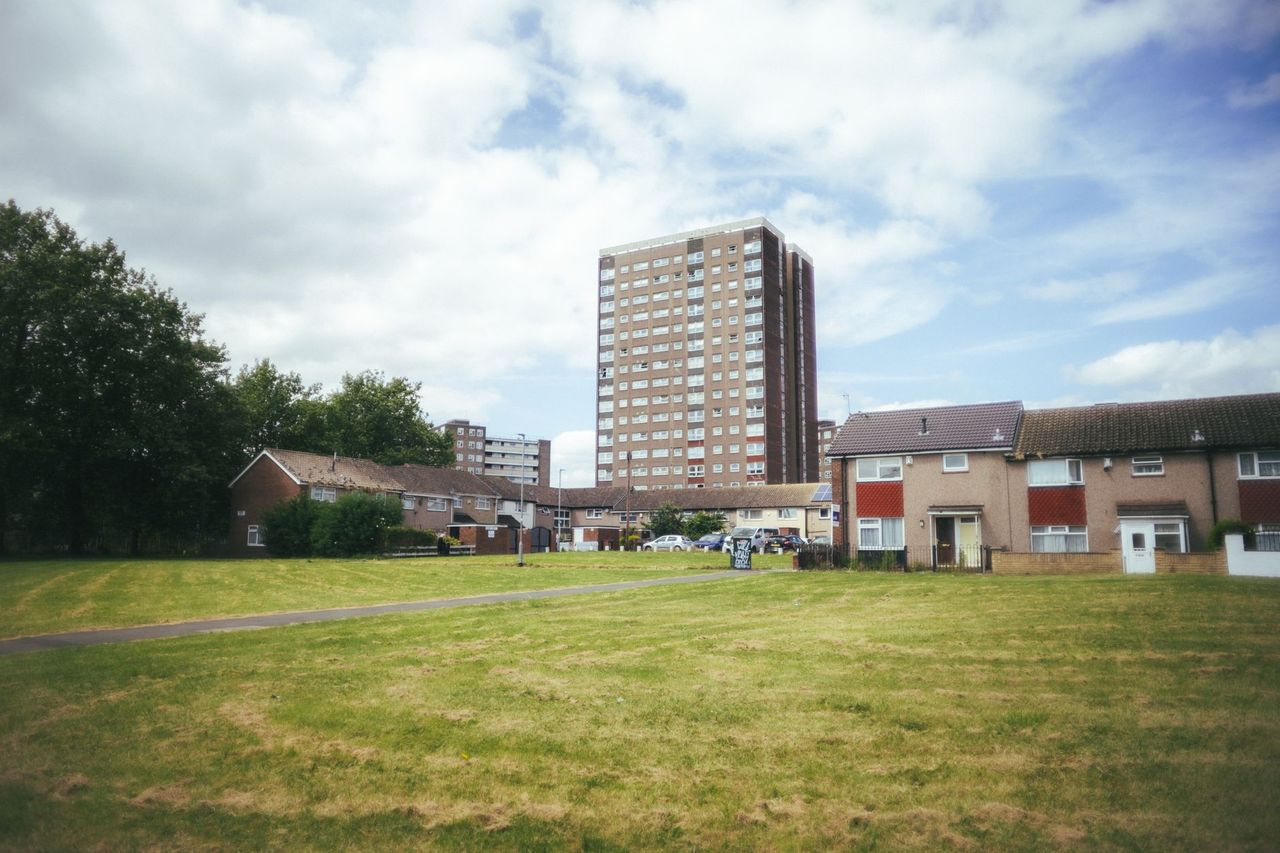
A Right to Buy valuation works backwards from how most people think about it: the landlord sets the full market value first, and only then applies the tenant's discount.
Who carries out the valuation
The council or housing association landlord instructs a RICS valuer (often the District Valuer Service in England) to assess the property's full open-market value, as if it were being sold with vacant possession on the open market. This valuation is commissioned by the landlord, not the tenant, though the tenant can formally challenge it if they believe it is too high.
How the discount is calculated
The discount is based on years of qualifying tenancy, on a sliding scale that increases with each additional year up to a maximum percentage. The exact percentages and, critically, the maximum discount amount (a cash cap that is periodically reviewed and adjusted by government) differ across England, Scotland, Wales and Northern Ireland, and Right to Buy itself has been withdrawn entirely in Scotland and Wales in recent years, always check current rules for the specific nation rather than assuming a figure.
Restrictions after purchase
Most Right to Buy purchases come with a discount repayment condition if the property is resold within a set number of years of purchase (the repayable percentage typically reduces the longer the owner stays), and some schemes include a right of first refusal requiring the original landlord to be offered the chance to buy the property back first within an initial period.
How this compares to shared ownership
Right to Buy results in full outright ownership from day one (discounted, but complete), which is structurally different from shared ownership, where a buyer purchases a percentage share and pays rent on the remainder. Both are common routes into leasehold flat ownership, see our leasehold vs freehold guide for what that means for value over time.
Frequently asked questions
Who values the property for a Right to Buy purchase?
The council or housing association landlord instructs a RICS valuer (often the District Valuer Service in England) to assess full open-market value, which the tenant can formally challenge if they believe it is too high.
How is the Right to Buy discount calculated?
On a sliding scale based on years of qualifying tenancy, up to a maximum discount amount that is periodically reviewed by government and differs by nation. Right to Buy has been withdrawn entirely in Scotland and Wales.
Do I have to pay back the discount if I sell?
Often yes, if you sell within a set number of years of purchase, with the repayable percentage typically reducing the longer you have owned the property. Some schemes also give the original landlord a right of first refusal.
How is Right to Buy different from shared ownership?
Right to Buy gives full outright (discounted) ownership immediately, while shared ownership involves buying a percentage share and paying rent on the remainder, with the option to buy more later through staircasing.
See it in action
Get an instant estimate built from real Land Registry sold prices, with the comparable sales and confidence score shown.
Get my valuation