Do Extensions and Loft Conversions Really Add Value?
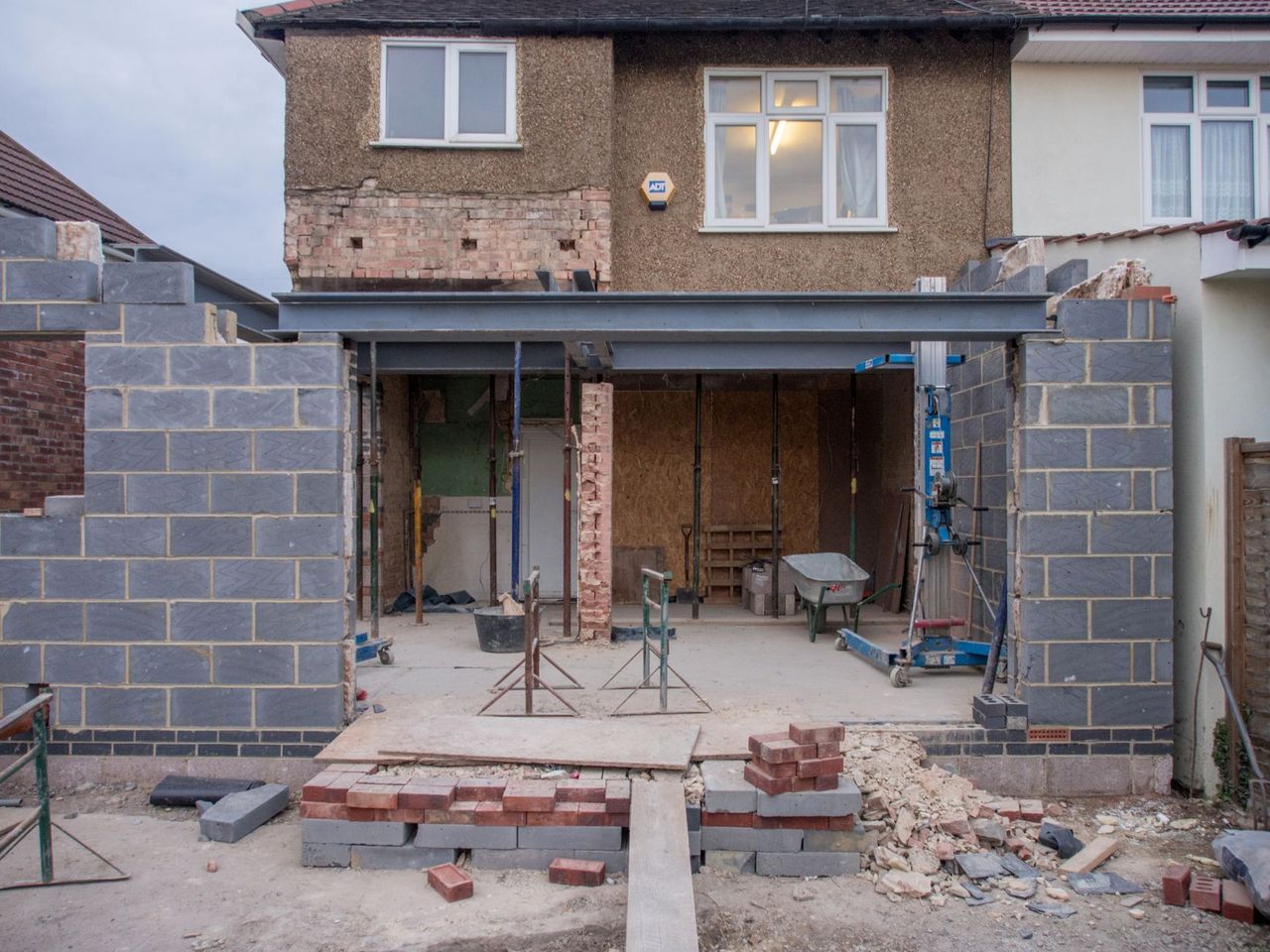
Extensions and loft conversions can genuinely add value, but the uplift is capped far more by what the local market already expects for your type of street than by the quality or cost of the build itself.
The "ceiling price" concept
Every street or micro-area has an informal ceiling on what buyers are realistically willing to pay, driven by the area's overall desirability, schools, transport, and the price of the largest comparable properties nearby. Extending a property beyond what that ceiling supports, sometimes called over-improvement, can mean the cost of the work is not fully recovered in the eventual sale price, however well the extension itself is built.
Which improvements tend to add value most reliably
Loft conversions that add a genuine extra bedroom (ideally with an en-suite) tend to show some of the most consistent uplift, because they change the property's bedroom count, a major driver of comparable-sales value, rather than just adding floor area to existing rooms. Kitchen extensions and side-return extensions can also add real value, but the return is more dependent on planning permission, build quality, and how well the new space integrates, and is more variable across different areas.
Why a fixed percentage uplift is the wrong way to think about it
General claims like "a loft conversion adds X% to value" are only ever rough national averages and vary enormously by area, property type, and how close to the local ceiling price the property already sits. The more reliable approach is checking actual recent comparable sales of similar, already-extended properties near the property in question, rather than applying a generic percentage to the current value.
How to check this properly before committing
Before committing to a significant extension, it is worth browsing what affects a UK property's value for the fuller picture, and checking real comparable sold prices for similar-sized extended properties in the immediate area on our property prices by postcode sector page, a genuinely comparable extended property nearby is far better evidence than a general industry rule of thumb.
Frequently asked questions
Do loft conversions and extensions always add more value than they cost?
Not always. The uplift is capped by the local market's ceiling price for the street or area, so extending well beyond what similar large properties nearby achieve can mean the cost is not fully recovered.
Which type of extension adds value most reliably?
Loft conversions that add a genuine extra bedroom tend to be among the more reliable, because bedroom count is a major driver of comparable-sales value. Kitchen and side-return extensions can also add value but are more variable by area and build quality.
Is there a reliable fixed percentage that an extension adds to value?
No. Generic percentage claims are rough national averages at best and vary hugely by area and how close the property already sits to the local price ceiling. Checking actual comparable sales of similar extended properties nearby is more reliable.
How can I check if an extension is likely to pay off in my area?
Look at real recent comparable sold prices for similar-sized, already-extended properties in the immediate area, rather than relying on a generic industry rule of thumb.
Considering a separate structure instead of extending the house itself? See our guide on garden rooms and annexes for how permitted development rules change the picture.
See it in action
Get an instant estimate built from real Land Registry sold prices, with the comparable sales and confidence score shown.
Get my valuation