Does Flood Risk Affect Your Property's Value?
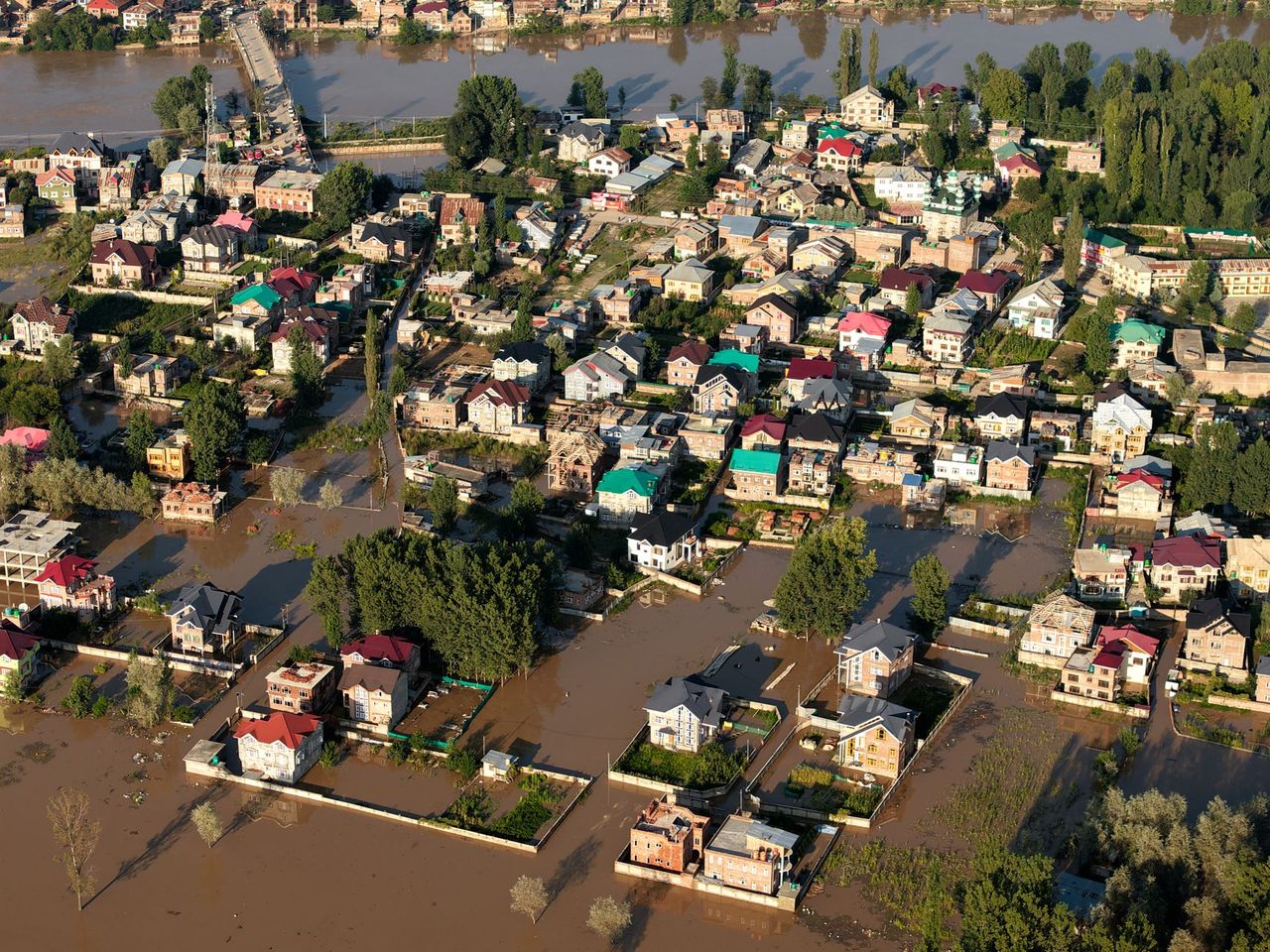
Flood risk can reduce a property's value well before any water reaches the door, the damage happens through insurance and mortgage lending, not just through actual flood events.
How flood risk shows up in value
The Environment Agency (and equivalents in Scotland, Wales and Northern Ireland) publishes flood risk maps by exact location, categorising areas by likelihood of river, surface water, or coastal flooding. A property flagged as higher risk typically faces higher buildings insurance premiums, sometimes a smaller pool of insurers willing to quote at all, and more cautious mortgage lending, all of which narrow the buyer pool and put downward pressure on the achievable price, independent of whether the property has ever flooded.
The Flood Re scheme
Flood Re is a UK government and insurance-industry backed scheme that helps homeowners in higher flood-risk areas access affordable buildings insurance, by allowing insurers to pass flood risk to a central reinsurance pool. It has meaningfully improved insurability for many previously hard-to-insure properties, but it does not eliminate the underlying risk signal buyers and lenders see, and it currently only covers homes built before 2009, so newer builds in flood zones can face a harder insurance market.
Why comparable-sales tools can understate this
A tool like this one prices from comparable sold prices across a postcode sector, but flood risk is often street- or even property-specific, not sector-wide, so a sector-level comparable-sales figure can miss a real, localised risk that a professional survey or a direct Environment Agency check would catch. Always check the specific flood risk for the exact address, not just the general area, before relying on any valuation figure for a purchase decision.
What to do if you are buying or selling in a flood risk area
Check the official flood risk map for the exact address, ask directly about the property's insurance history and any past claims, and get a specific buildings insurance quote before exchanging, an unexpectedly high or unavailable premium is one of the more common late-stage transaction surprises in flood-risk areas.
Frequently asked questions
Does flood risk lower a property's value even if it has never flooded?
Yes, often. Higher insurance premiums, a smaller pool of willing insurers, and more cautious mortgage lending can all reduce the achievable price and narrow the buyer pool, independent of an actual flood event.
What is Flood Re?
A UK government and insurance-industry scheme that helps homeowners in higher flood-risk areas get affordable buildings insurance by pooling that risk centrally. It currently covers homes built before 2009.
Where can I check a property's flood risk?
The Environment Agency (England), Natural Resources Wales, SEPA (Scotland), or DAERA (Northern Ireland) all publish free flood risk maps searchable by postcode or address.
Can a postcode-sector valuation tool account for flood risk?
Not reliably. Flood risk is often specific to an individual street or property, while a comparable-sales tool prices at postcode-sector level, so it can miss a real localised risk. Always check the exact address separately.
See it in action
Get an instant estimate built from real Land Registry sold prices, with the comparable sales and confidence score shown.
Get my valuation